
Emergency guides
Hail Hit Your Gutters? How to Document the Damage
By the V&V Seamless Gutters crew · Published and updated November 1, 2026

Document hail damaged gutters before anything gets fixed: dated photos from the ground, close shots with a coin or ruler for scale, and a simple written list. The Texas Department of Insurance (TDI) tells homeowners to take pictures and video, list the damage, and hold off on permanent repairs until the adjuster has seen it. That keeps your options open.
How to document hail damaged gutters, step by step
Do this from the ground, as soon as the storm has passed and the area is safe. Hail marks are easiest to read while they are fresh, and leaves and grit start covering the evidence within days.
- Write down the date and time. Save weather alerts and any texts or photos from that day. If you can, photograph a hailstone next to a coin. The National Weather Service counts hail as severe at 1 inch, about the size of a quarter.
- Start wide. Photograph each side of the house so the whole gutter line shows. Note which way each wall faces, because hail driven by wind can mark one side far worse than another.
- Go close. Shoot gutter faces, downspouts, elbows, end caps and any guards. Hold a coin or tape measure in the frame so a stranger can judge the size of each dent.
- Capture the soft metal nearby. AC fins, vents, window screens, fence caps and mailboxes show hail size and direction, which supports your account of the storm.
- Walk it on video. One slow lap around the house, describing what you see as you go.
- Test it at the next rain. Film any new overflow, drip or leak. That shows the damage affects function.
- Start a log. TDI suggests keeping a list of everyone you talk to at your insurance company.
What makes a hail photo useful
- Side light. Early or late sun rakes across the metal and shows shallow dents. Flat midday light can hide them.
- A wide shot before each close one. A dent with no context could be any gutter on any house.
- Original files. Phones store the date and time in the photo. Cropped or forwarded copies can lose that, so back up the originals.
- One folder per wall. Name them north, south, east and west, so the photos line up with your list.
A simple damage log
Your written list does not need to be fancy. Use one row per problem, in the same order as the folders. The last column is the one that matters later.
| Wall | Part | What you saw | Does water still move? |
|---|---|---|---|
| North | Gutter face, full run | Round dents, chipped paint | Yes, drains normally |
| North | Corner miter | Fresh drip at the seam | Leaks in rain |
| West | Downspout elbow | Crushed on one side | Slow, backs up in rain |
Want a second set of eyes on hail marks? Call us and we can document the gutters and quote the repair.
- 4.5★ from 36 Google reviews
- Free estimates
- Run by owner Victor and his son Omar

What does hail damage on gutters look like?
Aluminum dents easily, which makes it a good record of a storm. Here is what to look for and why each mark matters.
| Damage | What it looks like | Why it matters |
|---|---|---|
| Dents in the gutter face | Round dimples along the outer face, heavier on the storm side | Often cosmetic, but it shows hail size and direction |
| Dented downspouts | Ripples down the exposed side, creased elbows | A crushed elbow can restrict flow |
| Chipped finish | Small bright marks where paint has been knocked off | Fresh marks look bright; old ones look dull |
| Opened seams or miters | Fresh drips at corners and end caps | A functional leak |
| Bent hangers or a shifted run | A wavy top line, or a gap at the fascia | Can change the slope and hold water |
| Crushed guards | Flattened mesh or popped screens | Debris collects and water stops getting in |
Cosmetic or functional: why the word matters
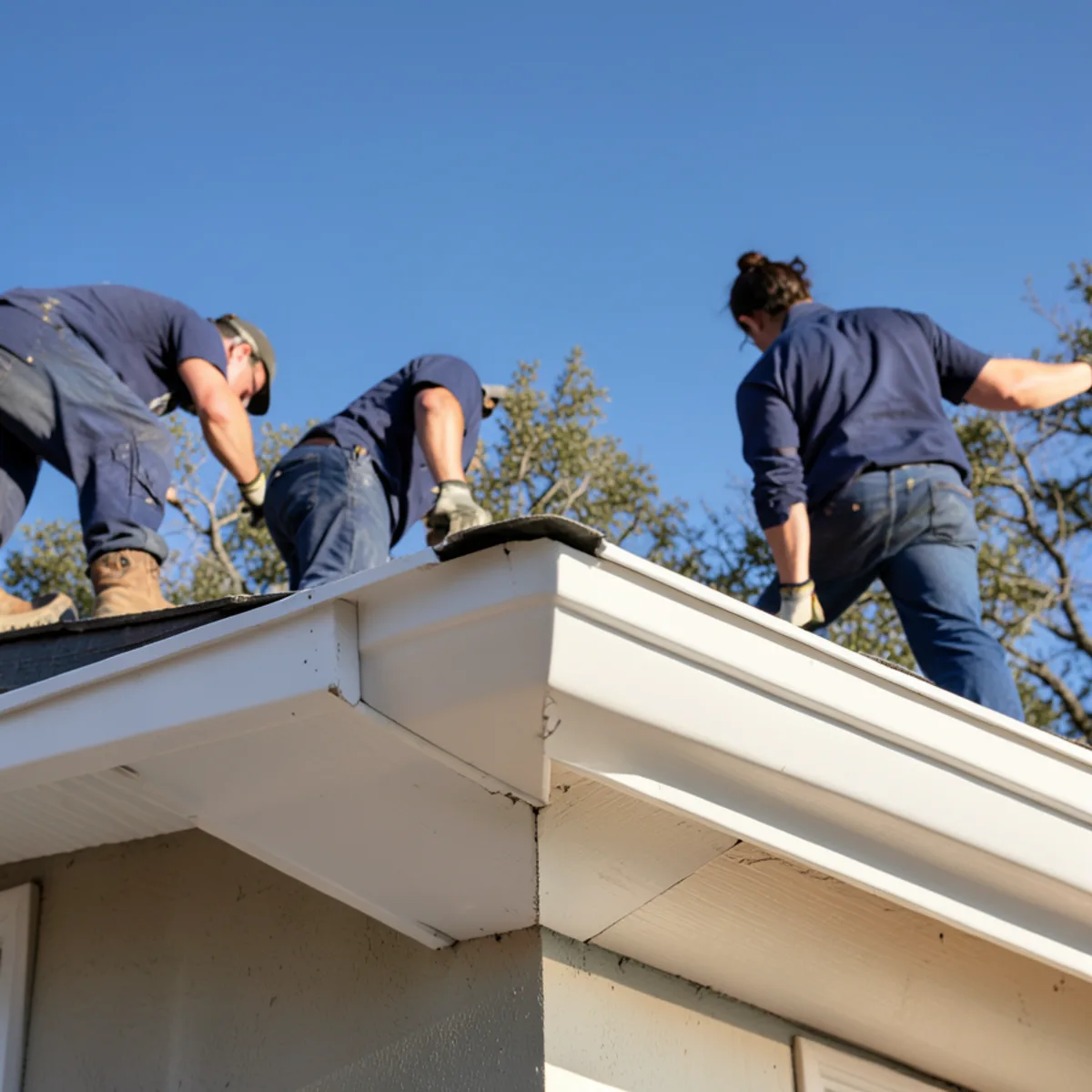
A round dimple that leaves the gutter draining normally is different from a crease that opens a seam or dams the water. Insurers draw the same line. A 1998 TDI bulletin describes optional endorsements excluding cosmetic hail damage to roof coverings, tied to premium credits for impact-resistant roofs, and TDI's current roof guidance warns that a metal roof discount might come with a cosmetic exclusion.
Those rules are written about roof coverings, and policy wording varies. Ask your insurer directly whether your policy has a cosmetic exclusion and how it treats gutters and downspouts. Then let your notes show which damage is appearance and which affects the way water moves. We will not guess at your coverage, and you should be wary of anyone who does.
Who should see the damage, and in what order?
- You. Finish the photos and list first. Stay on the ground.
- Your insurer. TDI says to file as soon as you can if you plan to file at all. Ask about deadlines and write them down.
- The adjuster. TDI says not to make permanent repairs before the adjuster sees the damage. Temporary repairs that prevent more damage are fine, so keep receipts.
- Contractors. TDI recommends written estimates on company letterhead, more than one bid, and comparing them with the adjuster's report before you settle.
Be careful with anyone knocking on doors after a storm. TDI warns about contractors who solicit door-to-door or have only out-of-town references, and says never to sign a contract with blank spaces. In Texas it is also illegal for a contractor to offer to waive or absorb your deductible, a topic covered in our storm insurance guide.
Our part is narrow. For storm gutter repair, we can document damage and give you a written line-item quote. We do not negotiate claims. If the damage runs wall to wall, read about full gutter replacement before you decide.
How hail marks read once you know the pattern
Hail leaves patterns, and knowing them helps you read your own house.
- Downspouts tell the story first. They stand upright and take the hit square, so dents show up there even when the gutter face looks clean.
- One side takes the worst of it. Compare the storm-facing wall with the sheltered one before you call the whole system damaged.
- Shredded leaves cause the overflow. Hail strips trees, and the debris can clog outlets within hours. In a place like Sunset Valley, with its mature trees, a clog can look like storm damage when a gutter cleaning is the actual fix.
- Dents do not pull out. Aluminum stays dented, so repair means replacing a section, and an aged finish may not match a new one exactly. Ask about that when you compare quotes.
- Old dents get counted with new ones. Fresh strikes look bright and clean. A dent with grime settled in it probably came from an earlier storm. Note the difference in your log, because an accurate account holds up better.
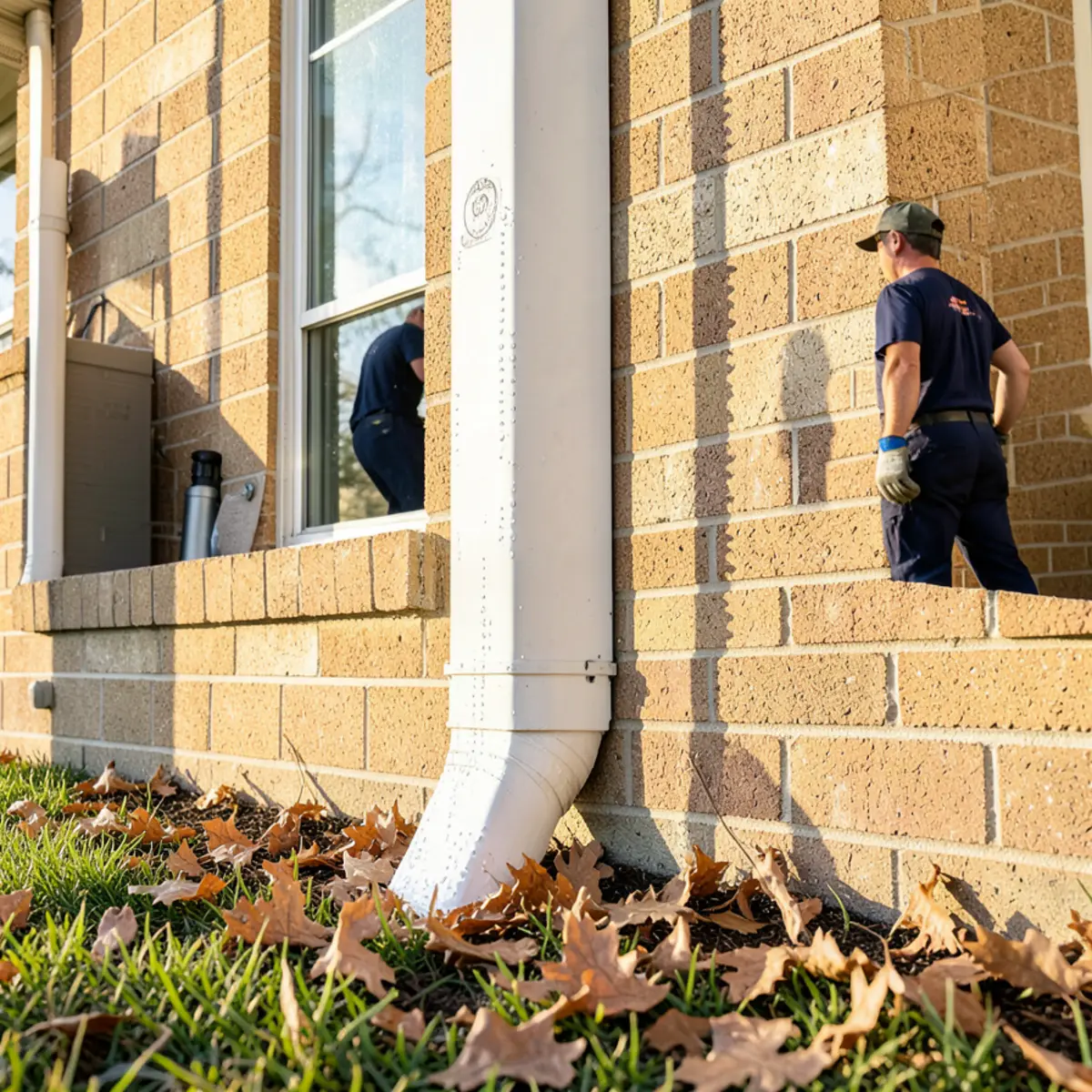
Dents are a trade-off too. Repair means a new length, so a run with dimples on a back wall may be fine to leave, while a crease at a seam is not. Decide wall by wall. A quote does not have to treat the house as one job.
Do this now, decide later
Photos cost nothing and the marks do not last. Build the record this week, then decide with your insurer and a written quote in hand whether a claim makes sense. If the damage turns out to be cosmetic, you have lost a few minutes. If it matters, you will have what you need.
Want help reading what you found? Call us. We can look at the run, separate the dents from the leaks and write a line-item quote to set beside your adjuster's report.
Sources
- Texas Department of Insurance: Hail damage to your home or car? What to do next
- Texas Department of Insurance: Hail damage? Tips to file an insurance claim
- Texas Department of Insurance: Help after a storm
- Texas Department of Insurance: Bulletin B-0030-98 on cosmetic damage endorsements
- Texas Department of Insurance: What to know about insurance and your roof
- National Weather Service: Severe weather outreach and hail criteria
Common questions
Do small hail dents in gutters need repair?
Not always. A shallow dimple that leaves water flowing normally is usually cosmetic, and aluminum will not rust at the mark. Repair matters when a dent creases a seam, dams the trough or crushes a downspout elbow. Run water through the system or watch it in the next rain, then photograph whatever you find before deciding.
How soon after a hail storm should I take photos?
The same day or the next, once it is safe. Fresh marks are bright and easy to read, and debris soon covers them. TDI advises filing as soon as you can, and some policies set deadlines, so ask your insurer about yours. Good photos taken early remain useful even if you decide months later that a claim makes sense.
Should I clean my gutters before the adjuster comes?
Yes, if a clog is sending water over the edge, but photograph it first. Hail strips trees, and shredded leaves can plug an outlet within hours. Treat it like the temporary repairs TDI allows to prevent more damage. Leave dented sections, bent hangers and crushed elbows as they are, keep any receipts, and tell your insurer what you cleared.
About the author
Written by the crew at V&V Seamless Gutters, the Austin gutter company run by owner Victor and his son Omar. Read more about us or see what customers say.
Related service: storm and hail gutter repair in Austin. We also work in Sunset Valley.
Have a gutter question this article did not answer?
- 4.5★ from 36 Google reviews
- Free estimates
- Run by owner Victor and his son Omar